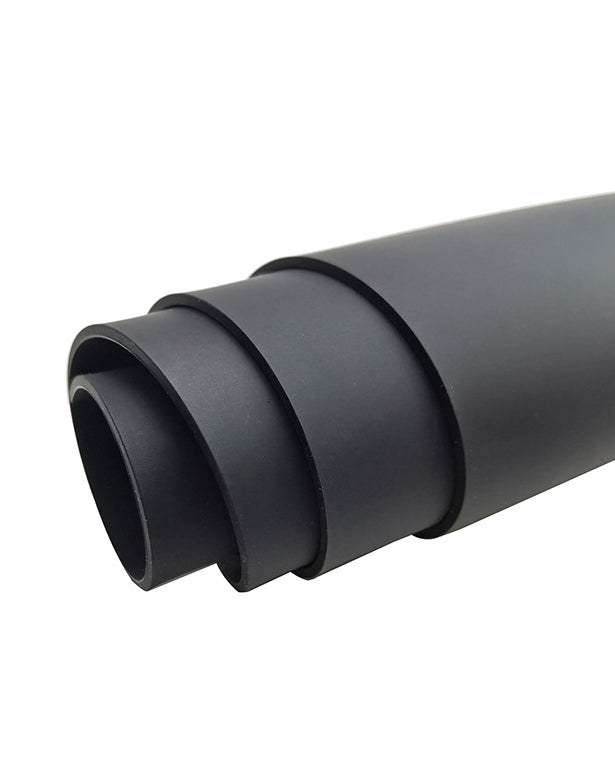


In the modern industrial system, rubber hydraulic hoses are vital conduits in fields such as hydraulic systems, engineering machinery, and automobile manufacturing, tasked with the important responsibility of transporting key media like hydraulic oil and hydraulic fluids. With the diversified demands for safety and functionality in industrial scenarios, their insulation performance has gradually become a focus of attention in some special application scenarios. However, the insulation performance of rubber hydraulic hoses is not an absolute attribute of "being present or absent"; it requires comprehensive judgment based on their structure, material, and actual treatment methods.
1. Basic Structure and Material of Rubber Hydraulic Hoses: Innate Characteristics of Insulation Performance
To understand the insulation performance of rubber hydraulic hoses, we must first examine their core structure and material properties. A typical rubber hydraulic hose consists of three layers: an inner rubber layer, a reinforcement layer, and an outer rubber layer. The function and material characteristics of each layer directly determine its inherent insulation level.
Inner Rubber Layer: As the inner layer in direct contact with the conveyed medium, its core requirements are sealing performance and medium resistance. It must resist corrosion from hydraulic oil, chemical fluids, etc., to prevent medium leakage or hose swelling. This layer is mostly made of synthetic rubbers such as nitrile rubber and fluororubber. The molecular structure of these materials prioritizes chemical stability and does not possess significant insulation performance.
Reinforcement Layer: This is the core support for the hose’s strength and pressure resistance. Its main role is to withstand the high pressure of the hydraulic system, preventing the hose from bursting or overexpanding. Common reinforcement materials include steel wires and fiber braided layers. Among them, steel wires are conductors by nature; while fibers are insulating materials, the design of the reinforcement layer focuses on mechanical performance rather than insulation performance, so it cannot form effective insulating protection.
Outer Rubber Layer: It acts as a protective layer, resisting damage to the reinforcement layer from external factors such as abrasion, ultraviolet radiation, and extreme temperatures. Its materials are mostly chloroprene rubber, EPDM rubber, etc. Similar to the inner rubber layer, the R&D focus of the outer rubber layer is on weather resistance and wear resistance. Its insulation performance is merely an incidental property of the material, far from meeting the standards of industrial insulating materials.
As comprehensively stated by rubber product supplier Pexxon Rubber, whether it is the inner rubber layer, reinforcement layer, or outer rubber layer, their design is centered around media transmission, pressure resistance, and environmental damage resistance. The innate properties of their materials and structure determine that ordinary rubber hydraulic hoses do not have significant insulation performance.
2. Non-Absolute Nature of Insulation Performance: Special Treatment for Specific Scenarios
Although ordinary rubber hydraulic hoses have limited insulation performance, some industrial scenarios—such as those involving low-current environments or hydraulic systems requiring electrostatic conduction prevention—still demand a certain level of insulation capability from them. To meet such needs, customized rubber manufacturer Pexxon Rubber enhances insulation performance through material R&D. However, it must be clarified that: this enhancement is limited and cannot replace professional insulating materials.
Currently, there are two main mainstream methods to enhance insulation:
Material Modification: Insulating additives are added to rubber materials (especially the outer rubber layer), and the rubber formula is adjusted to reduce the material’s electrical conductivity. For example, adding 15%-20% mica powder to the chloroprene rubber outer layer can increase the hose’s volume resistivity from 10⁶-10⁸ Ω·cm (for ordinary rubber) to 10¹⁰-10¹² Ω·cm, meeting insulation requirements in low-voltage environments.
Process Optimization: The molding process of the outer rubber layer is improved (e.g., adopting an integrated extrusion-vulcanization process to reduce air bubbles and impurities in the rubber layer), or a thin insulating film is coated on the outer surface of the hose to further block the current conduction path. Such processes can improve surface insulation performance without affecting the hose’s mechanical properties. However, it should be noted that the coated insulating film is prone to falling off due to abrasion, leading to deterioration of insulation performance after long-term use.
It is important to emphasize that rubber hydraulic hoses treated with special processes still have limitations in their insulation performance: On one hand, insulation effectiveness is greatly affected by temperature and pressure (e.g., high temperatures can cause rubber aging and reduce insulation resistance; high pressure may lead to insulation layer rupture). On the other hand, their insulation grade is usually only suitable for low-voltage and low-current scenarios; they cannot be used for insulation protection in high-voltage electrical systems, nor can they replace professional insulating components such as insulating tubes and insulating tapes.
3. Insulation Performance Management in Practical Applications: Core Points for Safe Use
In scenarios requiring insulation, if rubber hydraulic hoses need to be used, strict adherence to safety principles is essential to avoid risks caused by misjudgment of insulation performance. Specifically, the following three points should be noted:
Do not use it as a primary insulating material: Even for rubber hydraulic hoses with special treatment, their core function is still conveying hydraulic media, not insulation protection. In practical use, separate professional insulating devices must be installed to isolate the hose from live components, avoiding direct reliance on the hose’s insulation performance.
Pay attention to the impact of operating conditions on insulation performance: The insulation performance of rubber hydraulic hoses will deteriorate with changes in the operating environment. For example, medium leakage may cause the rubber layer to become damp, significantly reducing insulation resistance; long-term friction may wear down the modified insulating layer or coated film on the outer rubber layer, damaging the insulation structure. Therefore, it is necessary to regularly inspect the insulation status of the hose and replace it promptly if its insulation performance fails to meet standards.
Clarify selection criteria: If a scenario truly requires the hose to have insulation capability, the hose must meet insulation requirements during production and be accompanied by test reports. Avoid relying solely on vague "insulating type" labels; instead, combine actual operating conditions (temperature, pressure, medium type) to confirm whether the hose’s insulation performance is compatible.
4. Rational View of the Insulation Performance of Rubber Hydraulic Hoses
The insulation performance of rubber hydraulic hoses is essentially a result of balancing functional requirements and material properties. Their innate structure and materials determine their basic attribute of having no significant insulation performance; while special post-processing can achieve limited insulation effects, it cannot break through their positioning with media conveyance as the core function.
In industrial applications, it is necessary to rationally distinguish between the hose’s core function and additional insulation needs: Neither ignore the insulation potential brought by special treatment nor overstate its insulation capability. Only by fully understanding its performance boundaries, and conducting proper selection, inspection, and protection based on scenario requirements, can we ensure the normal operation of the hydraulic system while avoiding insulation-related safety risks.