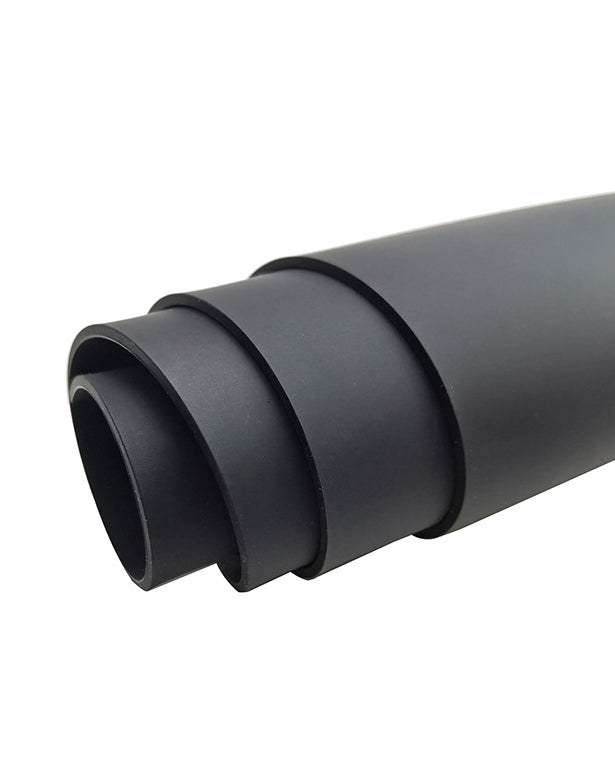


Polysulfide rubber sealing compound, primarily used for sealing needs in fuel environments. The following are its core contents:
Two-component room temperature curing polysulfide rubber sealing compound, containing non-chromate corrosion inhibitors, suitable for scenarios requiring contact with fuel, lubricating oil, or hydraulic oil—such as sealing of aircraft structural joints, wet installation of fasteners, joint sealing, and cabin pressure sealing. Its design goal is to maintain sealing performance during long-term contact with petroleum-based liquids (e.g., aviation fuels JP-4, JP-5) and to verify oil resistance through rigorous liquid immersion tests.
-
Temperature resistance range:
Long-term operating temperature: -65°F to +250°F (-54°C to 121°C);
Short-term tolerance (cumulative approximately 6 hours): 360°F (182°C). -
Chemical compatibility:
- Resistant to mineral oil, aviation fuel, and hydraulic oil, passing the liquid immersion test in accordance with ASTM D471 standard:
- IRM 903 oil (simulating engine oil): 150°C × 70 hours, with volume change ≤±10% and hardness change ≤±10 Shore A;
- ASTM Reference Fuel C (gasoline simulant): 23°C × 70 hours, with volume change ≤-15% to 0% and tensile strength loss ≤30%.
- The dry shrinkage test requires no excessive shrinkage after drying treatment following immersion to avoid seal failure.
-
Physical properties:
Hardness range: No specific values are specified, but actual products (e.g., PR-1775 B) typically range from 55-65 Shore A, complying with the AMS 3265 Class B standard.
Low-temperature performance:- Passing the flat-bend low-temperature test, the material shows no embrittlement or cracking at -59°C;
- Low-temperature compression set: -25°C × 72 hours, with deformation ≤70%.