
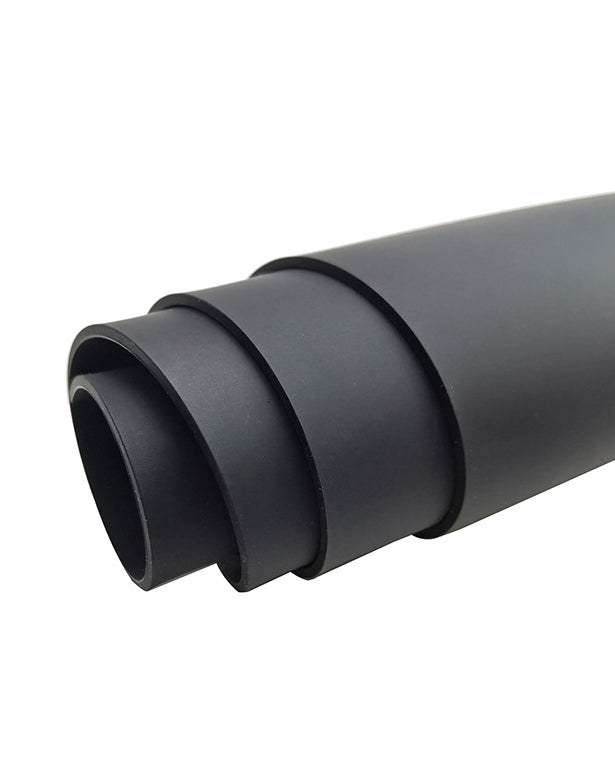


Rubber gaskets are needed when sealing joints and preventing equipment leakage. Rubber gaskets can adapt to uneven surfaces and withstand pressure, making them indispensable in automotive, industrial, and household systems. Its effectiveness includes properties such as hardness, tensile strength, elongation at break, tear strength, compression fixation, and rebound toughness. These properties ensure that the gaskets resist deformation, regain their shape, and withstand harsh conditions in a variety of applications.
Definition and use of rubber gasket
What is a rubber gasket
Rubber gaskets are used when a reliable seal needs to be established between two surfaces. This component consists of a piece of molded rubber that is designed to be precisely embedded between flat surfaces or flanges. Its main task is to block the passage of fluids or gases. You'll find that the material's flexibility allows it to adapt to surface unevenness, maintaining a tight seal even when the surface is not completely smooth. Manufacturers produce rubber gaskets in various shapes and sizes, allowing for the right choice for specific applications.
The main function of rubber gasket
Rubber gaskets serve several key functions in machinery and industrial systems.
Creates a seal between the two planes.
Fill microscopic gaps and irregularities to prevent liquid or gas leakage.
Designed to be compressed, it forms a tight bond with the surface, ensuring a leak-proof seal even under pressure or temperature fluctuations.
Gaskets should be selected that match the system's pressure and temperature requirements. This ensures that the seal remains effective for an extended period of time.
Rubber gaskets can be relied upon to maintain system integrity, reduce maintenance needs, and prevent costly downtime. Its ability to recover after compression means it can continue to function even after repeated use.
Common uses of rubber gaskets
Rubber gaskets are found in various industries and everyday items. Its versatility makes it a popular choice for closed solutions in both simple and complex systems. The following table highlights some of the primary industries that require rubber gaskets and describes their typical applications:
1. Food and Beverage Processing: FDA-compliant mixers, pumps, and refueling equipment gaskets, ensuring compliance and hygiene.
2. Pharmaceutical manufacturing: Biocompatible gaskets for reactor vessels and aseptic filling lines ensure product purity.
3. Oil and gas production: Wellhead equipment and pipeline gaskets to prevent dangerous leaks in harsh environments.
4. Air conditioning HVAC and refrigeration: gaskets for the refrigerant circuit to prevent leakage and maintain efficiency.
5. Ocean-going ship manufacturing: hatch cover and porthole sealing ring gasket to prevent seawater corrosion
6. Energy Generation: Gaskets used to cool water circuits and fuel systems to prevent power outages and maintain capacity.
7. Rubber gaskets in car engines, plumbing fixtures, and household appliances do the same thing: provide a reliable barrier that traps liquids and gases where they should be.
Performance of rubber gasket
Elasticity and flexibility
Rubber gaskets are elastic and flexible for reliable sealing in harsh environments. These properties allow the gasket to compress and accommodate surface irregularities, ensuring a snug fit even when the surface is not perfectly aligned. The elasticity of commercial rubber gasket materials is typically between 1 and 10 megapascals. Natural rubber has an elastic modulus between 1 and 5 megapascals, while synthetic rubber varies depending on its formulation and cross-linking density.
Rubber gasket sealing performance
Flexibility plays a key role in sealing properties. You need a spacer that can accommodate different shapes and surfaces. This adaptability ensures that the gasket fills gaps and prevents leaks, even under pressure. The following table highlights how flexibility contributes to sealing effectiveness:
1. Adaptability: Conform to irregular surfaces to achieve proper fitting
2. Compressibility: Maintain an airtight or waterproof seal under compression
3. Gap filling: prevent fluid, gas, or pressurized air from leaking
Rubber gaskets create an airtight or waterproof seal in machinery and structure. The gasket compresses and adapts to the surface, maintaining sealing capacity even when conditions change.
Recovery after compression of rubber gasket
High-quality rubber gaskets return to their original shape after compression. This recovery ensures that the seal remains effective through repeated cycles of use. You can reduce maintenance and extend service life because the gasket resists permanent deformation.
Rubber gasket tensile and impact strength
Tensile strength measures the force a rubber spacer can withstand before breaking. This characteristic should be considered when selecting gaskets that involve stretching or tension. The following table shows the standard tensile strength values for commonly used rubber gasket materials:
1. NBR: tensile strength 10-20MPa, tensile strength tensile strength 1450-2900Psi.
2. FKM: tensile strength 10-20MPa, tensile strength tensile strength 1450-2900Psi.
3. EPDM: tensile strength 7-17MPa, tensile strength tensile strength 1000-2500Psi.
4. Silicone: tensile strength 5-10MPa, tensile strength tensile strength 725-1450Psi.
Gaskets that can withstand repeated impact stresses are required, especially in industrial settings. Rubber gaskets are designed for mechanical cycling and resistance to wear and tear. With the right material selected, the gasket maintains its integrity and continues to function under dynamic conditions. Repeated movements and vibrations can cause seal wear, but choosing the right gasket can resist these forces and prevent premature damage.
Rubber gasket wear resistance and wear resistance
Resistance to wear and abrasion determines the lifespan of rubber gaskets in harsh conditions. You should choose materials that can withstand constant friction and mechanical stress. Laboratory tests such as ISO 4649, ASTM D5963, DIN 53516, and AS 1683.21 measure wear resistance by assessing volume loss or resistance index.
Rubber gasket life under harsh conditions
Rubber gaskets wear out due to constant friction and mechanical stress, especially in dynamic sealing applications. Surface wear can lead to premature failure and frequent replacements. Choosing materials with high wear resistance can extend the life of the gasket and reduce maintenance costs. Choose the right one to improve reliability and keep your system running smoothly.
Rubber gaskets are resistant to high and low temperature requirements
Gaskets that perform reliably in both high and low temperature environments are required. Heat and low temperature resistance determine whether a gasket can maintain sealing performance under extreme conditions. Different materials have different temperature ranges, so it's essential to choose the one that best suits your needs.
Silicone and PTFE gaskets withstand the widest temperature range. For example, platinum silicone remains flexible between -40°F and 450°F. If you need gaskets for refrigeration or cryogenic applications, silicone rubber will stand out. Its unique silicone-oxygen backbone is resistant to brittleness and therefore remains flexible at temperatures as low as -150°C. This flexibility prevents leaks and breakdowns in cold environments.
When working in high-temperature systems, materials such as FKM fluoroelastomer or Tuf-Steel® should be considered. These options can withstand sustained high temperatures up to 550°F (288°C) and even longer bursts of short bursts. Always match the material to the system's temperature requirements to ensure long-term reliability.

Rubber gasket performance at extreme temperatures
The ability of gaskets to maintain shape and elasticity in extreme heat or low temperatures is required. If the gasket becomes brittle or too soft, it loses its sealing ability. For example, silicone rubber resists both cold hardening and high temperature softening. This characteristic makes it ideal for environments with large temperature differences. Always verify the temperature limits of the chosen material before installation.
Rubber gaskets are resistant to substances and oils
Gaskets are exposed to many chemicals in industrial and automotive environments. Chemical and oil protection ensures that the gasket does not degrade or lose its sealing ability when exposed to aggressive liquids. Different rubber compounds vary in resistance to greases, fuels, and chemicals.
Test standards help evaluate oil resistance in automotive and industrial applications. The following table summarizes common criteria:
JIS K6258: Detection of exposure of rubber components such as seals and gaskets to automotive fluids.
ISO 1817: Evaluates the performance of rubber components when exposed to oils and fuels.
ASTM D471: Evaluation of changes in the physical properties of rubber due to oil exposure.
Some chemicals can degrade gasket materials. For example, silicone rubber may leach elements such as silicon, calcium, and magnesium when exposed to certain chemicals. This leaching can affect performance, especially in demanding industrial environments. Before selecting a gasket for harsh environments, it is important to check the chemical compatibility chart.
Rubber gasket suitability for industrial applications
The gasket material needs to be matched to the chemicals in the process. Nitrile and fluoroelastomer gaskets are highly resistant to grease and fuel, making them suitable for automotive and petrochemical applications. EPDM works best in water and steam, but does not perform well in oils. By understanding the chemical resistance of each material, you can prevent premature gasket failure and keep your system safe.
Rubber gasket water repellency and barrier properties
The impermeability of the gasket prevents gas and moisture from leaking through the fittings. The barrier properties of the gasket material determine its effectiveness in sealing poor substances. There are several factors that affect permeability, including the type of polymer, the use of fillers, and the size of the molecules trying to pass through.
EPDM compounds have a low absorption rate of water, making them an excellent barrier to water vapor. However, EPDM is not as effective at blocking oil and gas as other materials. As the temperature rises, so does the diffusion rate, so you should always consider the entire operating temperature range.
Rubber gaskets excel in creating airtight and waterproof seals, especially on uneven surfaces. Their flexibility allows them to adapt where rigid metal or plastic gaskets may fail. Metal gaskets perform better in high-pressure, high-temperature applications but lack the adaptability of rubber. Plastic gaskets have some corrosion resistance, but cannot reach the fatigue resistance of rubber or metal.
Rubber gasket gas and moisture seal
A gasket that prevents air, gasoline or water leakage is required. Rubber gaskets provide a reliable seal in most standard applications. For critical systems, be sure to verify the permeability rating and choose the material that best suits your needs.
Rubber gasket material type
NBR stands out for its exceptional resistance to greases, fuels, and a wide range of chemicals. The material provides reliable performance in common petroleum-based fluid environments. NBR also has good resistance to wear and tear, extending the life of the seal. The following table summarizes the key features of nitrile rubber:
1. It has strong resistance to petroleum, gasoline, acid and other chemicals
2. The effective operating range is -40°C to 108°C
3. It has good wear resistance and tear resistance, improving durability
NBR is non-polar solvent resistant and water resistant. These properties make it a preferred choice in many industrial settings.
Choose nitrile for applications that require oily and fuel-resistant rubber. It performs well in automotive gaskets, fuel system seals, and hydraulic hoses. NBR is also used in oilfield equipment, industrial machinery, and pump seals. Its durability under mechanical stress ensures reliable operation in dynamic environments.
EPDM rubber excels in outdoor and weather exposure environments. You benefit from its superior resistance to ozone, UV radiation, and weathering. EPDM remains flexible and resistant to aging over a wide temperature range, which helps extend its lifespan. The material also has good chemical resistance, especially against water and steam.
1. Excellent weather resistance
2. Excellent UV and ozone stability
3. Maintain flexibility in extreme heat
4. Good waterproof and steam resistance
5. Long-lasting performance in outdoor environments
EPDM rubber for applications exposed to sunlight, rainfall and temperature changes. It is widely used in roof waterproofing, window and door seals, and HVAC system gaskets. EPDM is also suitable for automotive seals, pond liners, and water system seals. Its durability makes it a preferred choice for outdoor installations.
Neoprene has unique waterproof, chemical, and UV resistance properties. You'll appreciate its closed-cell structure, which prevents moisture absorption and elevates its suitability for both marine and outdoor use. Neoprene resists exposure to fuels, lubricants, and ozone, maintaining flexibility and performance. It also provides effective thermal insulation and shock absorption.
1. Waterproof and salt resistance
2. Chemical resistance and oil durability
3. Anti-ultraviolet rays and ozone
4. Thermal insulation performance
5. Vibration and shock absorption
Neoprene can be used in marine environments where water and salt exposure are ongoing challenges. It is commonly used for waterproof seals, non-slip floors, and protective underlayment. Neoprene is also used in engine compartment gaskets, wetsuits and electronic housings. Its versatility supports a wide range of industrial and marine uses.
You benefit from the superior performance of silicone rubber in extreme temperatures. Due to its low glass transition point, this material remains flexible at low temperatures. Its unique molecular structure allows it to maintain its mechanical and electrical properties even at high temperatures. You will notice that the elastic modulus of silicone rubber increases with temperature, which means it is resistant to deformation in high-temperature environments. VMQ silicone works stably from -50°C to +175°C and can temporarily withstand up to +230°C. The siloxane backbone gives the silicone rubber excellent flexibility and stability. You also get greater resistance to ozone, UV radiation, and many environmental factors.
1. Maintain flexibility at low temperatures
2. Resist deformation at high temperature
3. Wide temperature working range: -50°C to +175°C
4. Excellent resistance to ozone and ultraviolet radiation
5. Stable mechanical and electrical performance
Silicone rubber is designed for applications that require a reliable seal in both hot and cold environments. This material performs well in food processing equipment, medical devices, and pharmaceutical manufacturing because it does not react with most chemicals and meets hygiene standards. Silicone rubber is commonly used in automotive gaskets, electrical insulation, and HVAC systems. Its ability to remain airtight in extreme temperatures makes it ideal for refrigeration equipment, ovens, and outdoor terrariums. When you need a rubber gasket that performs well in harsh conditions, you rely on silicone rubber.
Viton Rubber: When you need superior chemical resistance and durability, you choose Viton rubber. This fluoroelastomer resists aggressive chemicals including concentrated acids and aromatic hydrocarbons. Viton expands by less than 5% in volume after 168 hours in concentrated sulfuric acid, compared to over 40% with standard EPDM. In environments containing aromatic hydrocarbons, Vitone remains intact as other rubbers decompose. You'll notice that Viton maintains 85% tensile strength after three years at 375°F, while standard rubber joints fail in eight months. You'll experience a longer lifespan, less maintenance downtime, and a reduced risk of chemical leaks.
1. Excellent resistance to acids, fuels and solvents
2. Maintain tensile strength at high temperatures
3. The service life is 3–5 times that of standard rubber
4. Reduce maintenance downtime by 40–60%
5. The risk of chemical leakage can be reduced by up to 80%
Viton rubber is used in chemical processing, pharmaceutical manufacturing, and petrochemical systems. The material performs well in chlorine dioxide bleaching systems, sulfonation reactors, and hydrocarbon vapor treatment. You'll also use Viton in municipal water treatment and high acid neutralization chutes. Its durability and chemical resistance make it a preferred choice for seals and gaskets in environments where safety and reliability are paramount.
Butyl rubber is because it is more impermeable to gases and moisture. This material is known for its water resistance and tear resistance. Butyl rubber has a smooth and highly elastic surface, which helps maintain a tight seal. Butyl rubber is better protected against gas and moisture penetration than other rubbers.
Butyl rubber's excellent barrier properties make it ideal for applications that require long-term moisture sealing.
Use butyl rubber in roof waterproofing membranes, pond linings, and flashings. Its impermeability makes it suitable for sealing tanks, pipes, and storage containers. Butyl rubber can also be found in medicated sludge stoppers, tire tubes, and HVAC system gaskets. When rubber gaskets are needed to prevent air and moisture leakage, butyl rubber provides reliable performance.
Gasket material advantages and limitations
Material Strength: Rubber gasket materials offer a wide range of mechanical strengths, supporting reliable sealing in different environments. You can enjoy the unique combination of durability, flexibility, and resistance to environmental factors from each material. The following table summarizes the key advantages and limitations of common rubber types:
1. EPDM has excellent resistance to weather, ozone and sunlight, and excellent resistance to weather, ozone and sunlight.
2. Neoprene is self-extinguishing, resistant to oil, weathering, ozone and aging, and is moderately affected by strong ketones, ethers and concentrated acids.
3. NBR has excellent resistance to oil, fuel and non-polar solvents, strong mechanical durability, poor performance to ozone and weather, and is susceptible to certain ketone bodies and acids.
4. TPE combines flexibility and machinability, has excellent chemical resistance, expands in aromatic and halogenated solvents, and polar solvents are weaker.
5. IIR has excellent impermeability to gases and moisture, excellent ozone and weather resistance, and is highly sensitive to non-polar hydrocarbons and aromatic solvents.
6. Viton has excellent resistance to high temperature, fuel, oil and acidity, and is weakened by ketone bodies, esters and strong organic acids.
The strength of each rubber type should be matched to the application needs. EPDM works best outdoors because of the risks associated with weather and sunlight. Neoprene is suitable for environments with moderate chemical exposure and fire safety requirements. Nitrile excels in automotive and industrial environments where oiliness and fuel resistance are crucial. TPEs offer flexibility in custom shapes and chemical resistance in manufacturing. Silicone is particularly prominent in extreme temperature applications, such as food processing or medical devices. Butyl provides superior gas and moisture sealing for roofing and storage. Viton remains the preferred choice for chemical plants and high-temperature systems.
Rubber gasket specific restrictions
Each rubber gasket material has specific limitations that must be considered when choosing. These factors influence performance, safety, and maintenance requirements.
Considerations when choosing:
1. Temperature: You have to check both the internal and external temperatures. Choose a heat-resistant gasket that matches your system.
2. Environment: Evaluate the chemical resistance of the material. Consider the fluids inside the system as well as any external chemical risks.
3. Compression group: evaluate the ability of the gasket to return to its original shape after compression. High compression groups can cause leaks in the long term.
4. Pressure Rating: Confirm that the gasket can withstand the maximum pressure in your application. Deformation under pressure can cause seal failure.
Pressure ratings play a pivotal role in high-pressure applications. A gasket that resists deformation and maintains a reliable seal under stress is required. For example, EPDM provides a low compression set to help you maintain system integrity in high-intensity environments. If these limitations are ignored, there is a risk of water leakage, equipment damage, and increased maintenance costs.
Choose the right rubber gasket
Choosing the right rubber gasket requires a balance between technical needs and practical considerations. You must assess the mechanical needs of the environment and the application. Cost and maintenance also play a key role in ensuring long-term performance and value.
Matching attributes to requirements
Environmental Factors: The environment in which the gasket will operate needs to be evaluated. Environmental factors can significantly impact the performance and longevity of the gasket. Consider the following:
1. Temperature fluctuations may cause the rubber to become soft or brittle, leading to seal failure.
2. Chemical exposure may cause swelling, atrophy, or degradation.
3. Ultraviolet rays and ozone will crack the surface and reduce elasticity.
4. Pressure and physical stress can deform the gasket, especially during multiple cycles.
5. Abrasion caused by moving parts or debris can wear down the material.
6. Moisture, especially in marine or outdoor environments, can accelerate degradation.
Mechanical requirements: Consider the mechanical requirements of the washer. Start by determining the temperature and pressure range that the gasket will face. Next, check if there is compatibility with chemicals or liquids in the system. Assess the flexibility, compression, and recovery needs of recovery after repeated use.
Follow these steps to ensure a match:
1. Determine the working temperature and pressure.
2. Evaluate the chemical compatibility of all substances in contact with the sealing ring.
3. Assess UV, ozone and weathering exposure.
4. Choose materials based on specific needs, such as food safety or high temperature resistance.
The following table compares common materials and their best uses:
1. NBR has excellent resistance to oil and fuel, and the compression group is also very good, suitable for auto parts and machinery exposed to oil
2. EPDM has strong waterproof, ozone and ultraviolet protection capabilities, suitable for outdoor applications and pipelines.
3. Silicone tolerance temperature, excellent flexibility, suitable for extreme environments, food-grade applications.
4. FKM has excellent chemical resistance, high temperature stability, and is suitable for harsh chemical environments.
5. Neoprene has good flexibility and weather resistance, making it suitable for outdoor applications.
6. Viton has high temperature and chemical resistance, making it suitable for fuel and harsh chemical applications.
7. Natural rubber has good elasticity, not suitable for oil environment, and is generally used for sealing.
8. Butyl rubber is sealed in impermeable water, excellent thermal performance, suitable for processing gas.

Rubber gasket maintenance
Whether the gasket is durable, especially in heavy-duty or critical systems. Durability depends on materials and maintenance habits. Extended service life should:
1. When selecting materials, priority should be given to materials that have proven resistance to chemical media and temperature properties in the system.
2. Protective coatings should be applied or elastomers should be used during chemical exposure.
3. Install protective plates to resist mechanical impact and debris.
4. Use heat insulation panels in high temperature areas or ensure normal airflow.
5. Regular inspection to detect wear and tear early.
6. Optimize load alignment and adjust air pressure as needed.
Rubber gasket application
Industrial use
Rubber gaskets are used in a variety of industrial settings. These components play a crucial role in maintaining system integrity and preventing leaks. The appropriate gasket must be selected according to the application needs. The following table highlights common industrial uses and performance criteria that should be prioritized:
1. Oil and gas: resistance to hydrocarbons, high pressure, and high temperatures.
2. Chemical and chemical engineering: chemical compatibility, anti-expansion and brittleness.
3. Water and sewage treatment: Ozone and weathering resistance, suitable for chlorinated water and detergents.
4. Food and pharmaceutical industry: non-toxic, easy to clean, and anti-sterilization cycle.
5. Automotive and Aerospace: Able to withstand varying temperatures and pressures, exposure to aviation fuel and hydraulic fluids.
It is necessary to ensure that the gasket maintains sealing performance over the required temperature range. Chemical compatibility is crucial, especially when the system is handling harsh fluids. You must also consider pressure, mechanical loads, and environmental exposures such as UV rays or humidity. Materials and design are often determined by regulatory standards, so compliance should be verified before installation.
Automotive-related applications
Rubber spacers are needed to keep the vehicle running safely and efficiently. Rubber gaskets perform several key functions in automotive systems:
1. Excellent sealing performance: prevent liquid and gas leakage, protect engine performance and safety.
2. Vibration and noise reduction: You will benefit from reduced vibration and noise, resulting in a smoother driving experience and reduced wear and tear on parts.
3. Resistance to Environmental Factors: You maintain reliability because the gasket can withstand extreme temperatures and chemical exposure.
Use rubber gaskets in engines, transmissions, fuel systems, and HVAC equipment. These components seal the joint, absorb shock, and withstand harsh environments. Regularly inspect the gaskets to maintain optimal performance and prevent breakdowns.
Home life use
Rubber gaskets are used in many household products and living systems. These spacers help prevent leaks and keep you productive on a daily basis. They can be found in plumbing equipment, washing machines, dishwashers, and refrigerators. They seal faucet connections, prevent water from spilling out of pipes, and keep appliances running smoothly.
Gaskets for bathroom doors, windows and outdoor equipment in life. Their flexibility allows them to adapt to uneven surfaces, ensuring a tight seal. Worn gaskets should be replaced promptly to avoid water damage and maintain energy savings.
Rubber gasket materials are required to create strong and flexible seals that prevent leaks and maintain system integrity. Their unique properties: elasticity, chemical resistance, and temperature resistance make them indispensable in many industries. When selecting a gasket, it is important to match its strength to the needs of the application. Evaluate the benefits and limitations to ensure long-term performance and safety.