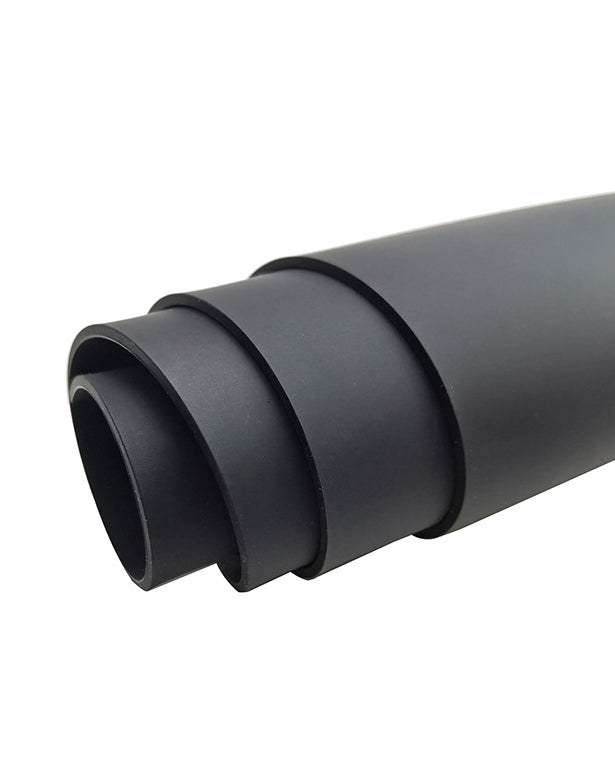


Don't underestimate that thin rubber sealing ring. It is the invisible guardian that prevents leaks and ensures the stability of the system. Whether it's a household water purifier, washing machine, industrial hydraulic machine, or car engine, none of them can do without its protection. However, if the wrong one is chosen or used improperly, it may lead to frequent repairs or even equipment failure. Today, let's talk about how to choose the right rubber sealing ring. 
When choosing sealing rings, the following three key factors should be given priority attention: temperature, pressure and medium. In high-temperature environments, such as ovens or engines, do not use ordinary nitrile rubber; instead, select fluorine rubber that can withstand temperatures ranging from -20℃ to 200℃. If it comes into contact with engine oil or hydraulic oil, nitrile rubber has better oil resistance and is more cost-effective; for drinking water or medical equipment, food-grade silicone rubber should be given priority as it is safe and odorless.
There are also some small tips for daily use: Before installation, carefully check if the sealing ring has any scratches or deformations to avoid forced installation; the contact surface should be kept clean and should not be contaminated with oil or impurities; for equipment that is not used for a long time, it is recommended to remove the sealing ring and store it properly, avoiding direct sunlight or contact with corrosive substances to extend its service life.
Many people think that the sealing ring is a consumable item that can be replaced when it breaks. In fact, choosing a high-quality sealing ring and maintaining it properly can not only reduce the trouble of downtime and maintenance, but also improve the overall efficiency of the equipment.