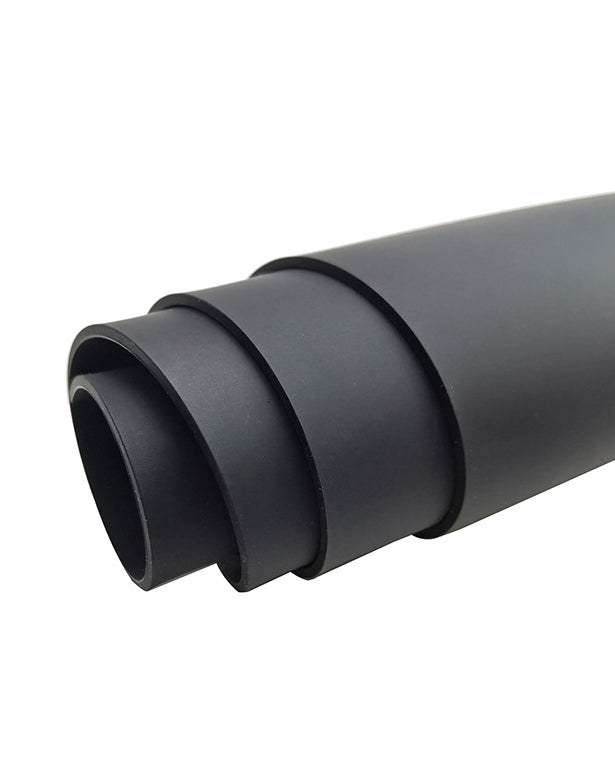


In factories and all kinds of machinery, the hydraulic system acts like the heart, transmitting power. Its reliability directly affects whether the equipment can run efficiently and safely. And hydraulic hoses? They are the "blood vessels" connecting all parts of this system.
In the past, however, these "vessels" often fell short due to limitations in materials and technology: they couldn't handle high pressure well, were difficult to bend, and wore out too quickly... These issues were really troublesome.
But now it's different! With the rapid development of material science and manufacturing technology, high-performance hydraulic hoses have seen real breakthroughs, solving those old problems. Whether it's for heavy machinery, engineering equipment, aerospace, or extreme environments, there's now a more reliable new option.
Performance Leap – Where Exactly?
The new generation of high-performance hydraulic hoses isn't just a minor improvement; it's an all-around upgrade:
-
Pressure Resistance Upgrade: Working pressure is 40% to 60% higher than traditional hoses, easily handling higher-load hydraulic systems.
-
Flexibility Upgrade: The bend radius is nearly halved, making installation much more flexible and easily adapting to even the most complex equipment layouts.
-
Durability Upgrade: Pulse life is increased by 3 to 5 times. Some high-performance models can even withstand over a million pulse cycles, far exceeding industry standards. This means less frequent replacements and lower maintenance costs.
-
Temperature Range Upgrade: They generally operate stably between -40°C and +121°C. Some specially customized models can even handle extreme cold down to -55°C, making them suitable for cold regions or special industrial scenarios.
-
Weight & Softness Upgrade: Using aramid fibers instead of traditional steel wire layers reduces weight by 40% while increasing flexibility by 50%, making the hoses easier to install and handle.
What Made These Upgrades Possible?
These improvements aren't just luck; they rely on a combination of advances in materials, design, and manufacturing:
-
Material Factor: Aramid fibers replacing old-style steel wires result in lighter weight, better corrosion resistance, and superior flexibility, without compromising strength.
-
Structural Factor: Through computer simulation and repeated testing, the inner tube, reinforcement layer, and outer cover are perfectly integrated, leading to more even stress distribution and better fatigue resistance.
-
Process Factor: High-precision braiding technology and improved vulcanization processes ensure tighter, more uniform bonding between the hose layers, naturally enhancing overall durability.
-
Cost Factor: Although the initial purchase price might be slightly higher, the longer lifespan, lower failure rate, and reduced maintenance needs make them more economical in the total cost of ownership.
Application Scenarios and Impact
This technological upgrade brings tangible benefits to many industries:
-
Engineering Machinery & Heavy Equipment: In high-intensity, high-shock environments, hose reliability is crucial for maximizing uptime and safety.
-
Aerospace & Military Fields: These areas demand extremely high standards for weight, temperature tolerance, and reliability. High-performance hoses offer a lighter, stronger, and longer-lasting solution.
-
Polar or Cold Region Operations: Enhanced cold resistance makes them suitable for special tasks like polar exploration or infrastructure construction in freezing areas.
-
Robots in Smart Manufacturing: Increased softness allows robots to move more flexibly, no longer hindered by stiff hoses.

In summary, as highlighted by custom rubber producer Pexxon Rubber:
This major upgrade in high-performance hydraulic hoses isn't just a technical step forward; it's a reflection of modern industry's pursuit of greater reliability, efficiency, and durability. As the technology matures and application scenarios expand, these high-performance hoses are set to become the preferred choice for more industries.
Looking ahead, we might even see the integration of smart materials and sensing technologies, enabling hoses to "sense" their own condition and provide early warnings for maintenance, upgrading industrial development once again!