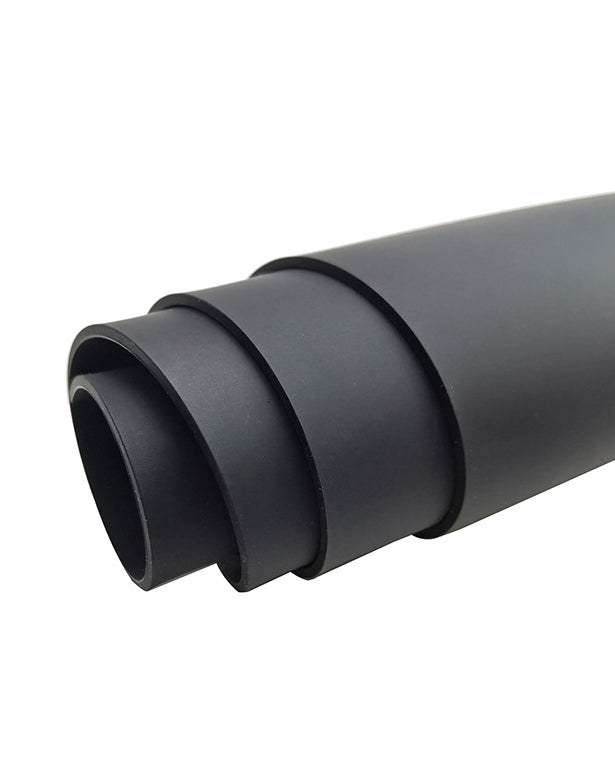


Ford WSS-M2D478-A is a material specification standard formulated by Ford Motor Company, primarily targeting specific types of sealants or rubber products. It is applicable to sealing application scenarios in the automotive industry that require oil resistance, fuel resistance, or chemical resistance. Although the specific content is not fully public, combined with common industry standards and other relevant Ford specifications (such as oil-resistant rubber seal standards), it can be inferred that its core requirements may include the following aspects:
-
Scope of application
This standard may specify performance requirements for sealants or rubber materials when in contact with petroleum-based liquids such as fuel (e.g., gasoline, diesel), lubricating oil, and hydraulic oil. It is applicable to the sealing design of components such as automotive engines, gearboxes, and fuel pipelines, including static or dynamic seals, gaskets, O-rings, etc. -
Technical features and performance requirements
-
Chemical resistance:
Materials must pass liquid immersion tests in accordance with standards such as ASTM D471. For example:- IRM 903 oil (simulating engine oil): After immersion at high temperature (e.g., 150°C) for 70 hours, the volume change shall be ≤±10% and the hardness change shall be ≤±10 Shore A.
- ASTM Reference Fuel C (gasoline simulant): After immersion at room temperature (23°C) for 70 hours, the volume change shall be ≤-15% to 0% and the tensile strength loss shall be ≤30%.
- Dry shrinkage test: No excessive shrinkage after drying treatment following immersion to avoid seal failure.
-
Temperature range:
The long-term operating temperature may cover -54°C to 121°C (-65°F to 250°F), with short-term high temperature tolerance up to 182°C (360°F). -
Physical properties:
The hardness range may be set according to specific grades (e.g., Class B), such as 55-65 Shore A; indicators such as tensile strength and tear strength must meet specific requirements. -
Low-temperature performance:
Pass the flat-bend low-temperature test (e.g., no embrittlement or cracking at -59°C) and the low-temperature compression set test (e.g., deformation ≤70% after 72 hours of compression at -25°C). -
Environmental compatibility:
Materials may be required to be free of harmful substances such as chromates (using non-chromate corrosion inhibitors) to comply with environmental regulations.